

Overview
Clutter affects both mental health and productivity, leading to increased stress and decreased focus. Decluttering can improve mood, sleep quality, and overall well-being. Practical strategies include establishing a decluttering routine, using storage solutions, and maintaining clutter-free zones. Embracing an organized lifestyle not only enhances your environment but also supports mental clarity and peace.
Table of Contents
- The Mental Impact of Clutter
- Stress and Anxiety
- Procrastination and Inhibition
- Impacts on Productivity
- The Benefits of Decluttering
- Improved Focus
- Enhanced Mood
- Better Sleep Quality
- Practical Tips for Decluttering and Organization
- Establish a Decluttering Routine
- Implement the 'One In, One Out' Rule
- Optimize Your Storage Solutions
- Find a Place for Everything
- The Emotional Aspect of Letting Go
- Identify Sentimental Items
- Focus on the Benefits of Decluttering
- Creating a Calming Environment
- Incorporate Natural Elements
- Utilize Soothing Colors
- Maintain Clutter-Free Zones
- Reaping the Benefits of Change
- Embrace a Maintenance Mindset
- Foster Healthy Habits
- Start Your Clutter-Free Journey Today!
Key Takeaways
- Clutter affects mental health: A chaotic environment can lead to increased stress, anxiety, and decreased productivity.
- Procrastination cycle: Clutter can inhibit action, leading to procrastination and further disorganization.
- Improved focus: Decluttering enhances concentration, making it easier to complete tasks efficiently.
- Better sleep quality: An organized bedroom contributes to restful sleep, reducing anxiety before bedtime.
- Establish a routine: Regular decluttering routines are more effective than one-time massive cleanings.
- Emotional letting go: Understand the emotional aspects of decluttering to ease the process of letting go of items.
- Maintain clutter-free zones: Designate specific areas in your home to keep organized and serene, contrasting with surrounding chaos.
The concept of clutter often conjures images of disorganized rooms and overflowing closets. However, it's more than just a physical state—it’s a mental one, too. Understanding the psychology of clutter can profoundly impact your well-being and productivity. In our fast-paced modern lives, where chaos is the norm, knowing how clutter affects our state of mind is essential. This article will explore the relationship between clutter and mental health, plus practical ways to achieve peace of mind through effective garage wall storage and organization strategies.
The Mental Impact of Clutter
Clutter is not just an aesthetic concern; it significantly affects mental health. Numerous studies have shown that a chaotic environment can lead to increased stress levels, anxiety, and decreased productivity. This section explores how physical clutter impacts your brain's functioning and mood.
Stress and Anxiety
Living in a cluttered environment can contribute to feelings of stress and anxiety. When surrounded by disorganization, your mind can feel overwhelmed, leading to a constant state of distraction. This mental burden can make focusing on tasks difficult, breeding frustration and a sense of incapacity. In fact, a study published in the journal Personality and Social Psychology Bulletin found a direct link between clutter in the home and increased stress levels in individuals.
Procrastination and Inhibition
Clutter can inhibit our ability to take action. When faced with piles of belongings or chaotic spaces, we are often overwhelmed to the point that we procrastinate. This can lead to further clutter, creating a vicious cycle that affects our well-being. The notion of organizing your space may seem daunting, but breaking it into manageable tasks can alleviate the stress of starting.
Impacts on Productivity
Clutter does not only affect our mental health; it can also significantly impact our productivity. Studies show that individuals working in organized environments are often more efficient and creative. A clean space translates to a clear mind, allowing for better focus and decision-making processes. Investing in solutions such as garage wall storage can transform a chaotic workspace into an organized haven that enhances productivity.
The Benefits of Decluttering
Taking steps to declutter can dramatically shift your mental landscape, leading to numerous benefits. Here’s how organization can enhance your life:
Improved Focus
When you minimize distractions by decluttering, you allow your mind to concentrate better on the tasks at hand. A fresh, organized environment can significantly improve focus and mental clarity, making it easier to complete your objectives. Incorporating systems like garage wall storage can make your space more functional and organized, boosting your productivity.
Enhanced Mood
Clutter often invokes feelings of guilt and shame for many individuals. By taking action to reduce clutter, you may experience an emotional lift and a sense of accomplishment. The act of decluttering itself can be therapeutic, providing a much-needed catharsis in the hustle of daily life.
Better Sleep Quality
A frantic environment can lead to restless sleep. Clutter in your bedroom can be distracting, causing anxiety as you prepare for bed. By organizing and decluttering your space, you create a more restful environment conducive to better sleep hygiene. A calm sleeping area can lead to improved energy levels and overall well-being.
Practical Tips for Decluttering and Organization
Now that we understand the psychological effects of clutter, let’s explore practical strategies to manage clutter in your life effectively.
Establish a Decluttering Routine
One-time massive cleanings can feel overwhelming and often lead to burnout. Instead, create a regular decluttering routine. Take a few minutes daily or dedicate a specific day of the week to tackle one area of your home. With time, you'll find the process much more manageable and even rewarding.
Implement the 'One In, One Out' Rule
This rule encourages you to let go of an item for every new one you bring into your space. By practicing this strategy, you can maintain a sense of order and prevent the buildup of unnecessary items over time. It’s a simple way to curb clutter before it becomes an issue.
Optimize Your Storage Solutions
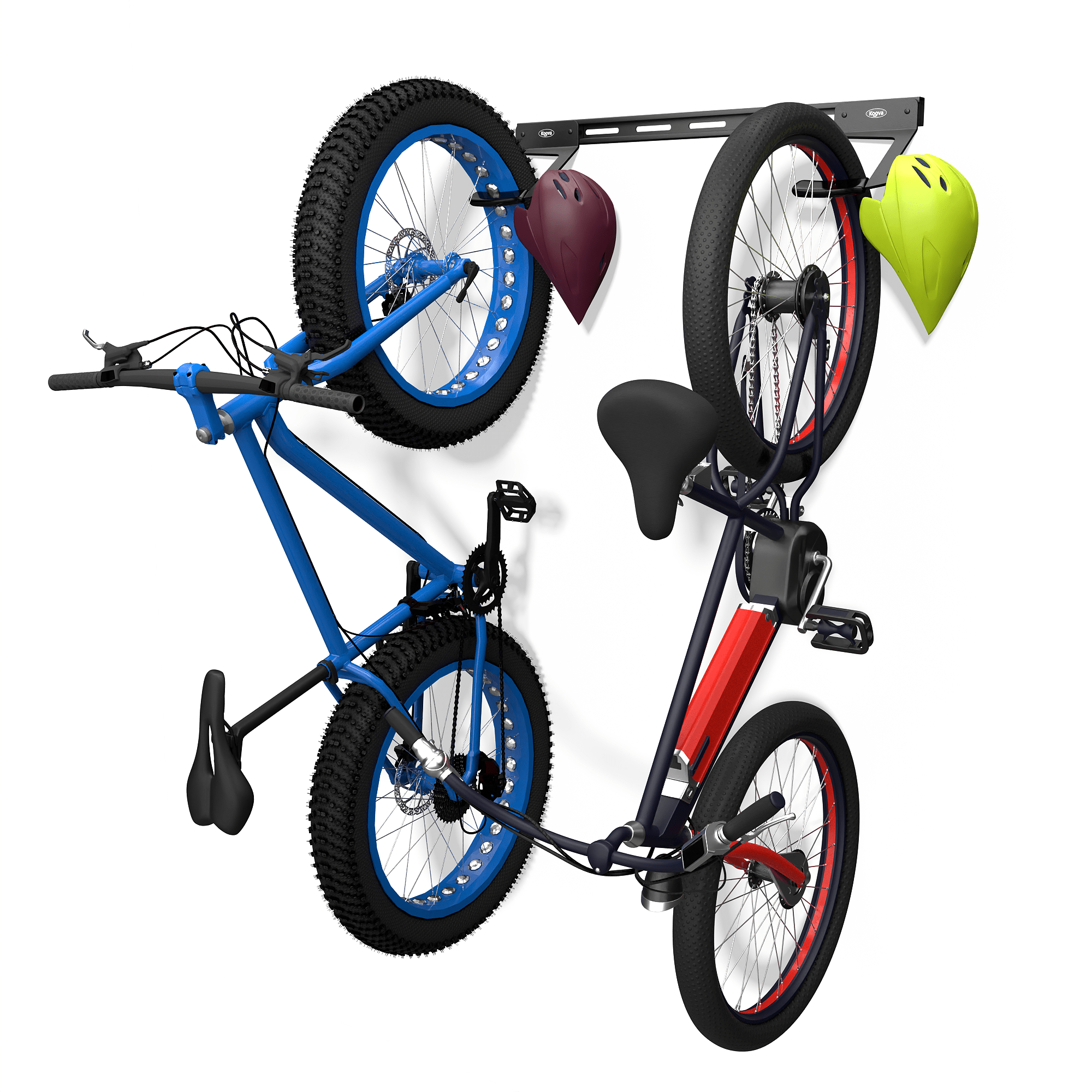
Allotting designated spaces for items is essential. This is where effective solutions like garage wall storage come into play. By utilizing vertical space on your garage wall, you can create room for frequently used items, keeping them accessible and organized. This not only enhances functionality but also promotes a sense of peace in your surroundings.
Find a Place for Everything
Ensure that every item in your home has a designated place. When everything is organized and easily accessible, maintaining clutter becomes significantly easier. Utilize shelving, bins, and even wall storage units to keep items neatly stored, reducing the temptation to leave things out on surfaces.
The Emotional Aspect of Letting Go
Decluttering is as much an emotional process as a physical one. Often, we hold onto items due to sentimental reasons or the fear of loss. Understanding the emotional aspect can help ease the process of letting things go.
Identify Sentimental Items
It's natural to feel attached to certain items; however, determine what truly holds value. Consider if a specific object brings you joy, or if it cluttered your life instead. Keep a few meaningful pieces, and allow yourself to let go of the rest.
Focus on the Benefits of Decluttering
Remind yourself of the positive changes decluttering will bring to your life. Visualize a more organized space leading to reduced stress, increased productivity, and improved mood. This mindset will encourage you to walk through the decluttering process with purpose.
Creating a Calming Environment
Your surroundings play a significant role in your mental well-being. A clean and organized space can become a calming retreat from outside chaos. Here are some ideas to create a serene atmosphere:
Incorporate Natural Elements
Add plants or flowers to your home. They not only improve air quality but also lend a sense of tranquility to any space. Furthermore, studies have shown that nature can reduce stress levels and promote feelings of happiness.
Utilize Soothing Colors
Color psychology suggests that colors can greatly impact our emotional states. Consider painting your walls in calming shades such as soft blues or greens to enhance relaxation in your living area. Be mindful of your color choices when organizing or redecorating your space.
Maintain Clutter-Free Zones
Designate specific areas in your home as clutter-free zones. These spaces can serve as havens for relaxation and calm. Keep these areas organized and take special care to maintain their cleanliness, allowing them to reflect serenity and peace in contrast to the chaotic world outside.
Reaping the Benefits of Change
Transforming your space and mindset through decluttering goes beyond mere aesthetics; it’s a path toward improved mental health and overall well-being. By recognizing how clutter affects your psychological state and committing to an organized lifestyle, you can unlock a multitude of benefits. Remember, organization isn't a one-time task; it’s a continuous journey.
Embrace a Maintenance Mindset
To enjoy the benefits of decluttering for the long term, embrace a maintenance mindset. Regularly evaluate your belongings and the functionality of your spaces. This proactive approach can prevent clutter from building up again, ensuring your environment remains an oasis of calm.
Foster Healthy Habits
Incorporate decluttering and organization into your daily habits. Simple practices, such as tidying for ten minutes each day or following the 'one in, one out' rule, create a consistent approach to managing clutter. Healthy habits promote a more balanced lifestyle, leading ultimately to greater well-being.
Start Your Clutter-Free Journey Today!
Small changes can lead to remarkable transformations in your life. By understanding the psychology of clutter and adopting effective organization techniques like garage wall storage, you can enhance your workspace while nurturing your mental health. Embrace the art of decluttering not just for your living space but as a catalyst for your well-being. Remember, the road to a serene mind starts with a clear space. Celebrate every step you take toward a more organized, peaceful existence!
Frequently Asked Questions
1. How does clutter affect mental health?
2. What are the psychological benefits of decluttering?
3. What practical tips can I use for effective decluttering?
4. Why is it important to maintain a clutter-free environment?
5. What role does color play in creating a calming environment?
Glossary
| Term | Meaning |
|---|---|
| Clutter | Disorganized items that create chaos in a space. |
| Mental Health | Emotional and psychological well-being. |
| Procrastination | Delaying tasks due to feeling overwhelmed. |
| Decluttering | The process of removing unnecessary items. |
| Garage Wall Storage | Utilizing vertical space for organization in a garage. |
| Focus | The ability to concentrate on tasks without distraction. |
| Emotional Attachment | Sentimental feelings toward certain belongings. |
| Clutter-Free Zones | Designated spaces kept free of clutter for relaxation. |
| Maintenance Mindset | Continuous evaluation and upkeep of organized spaces. |
| Healthy Habits | Consistent practices that promote organization and well-being. |
Linked Product

Wall Bin Storage System for Garage or Shed Organization
The Wall Bin Storage System provides an effective solution for organizing items in your garage or shed. It features multiple bins that can help reduce clutter and improve accessibility to tools and supplies. This system is designed to maximize vertical space, making it ideal for smaller areas.
View Product